Is Salmon High in Cholesterol? Nutrition and Heart Health

Is Salmon High in Cholesterol

Salmon is a popular fatty fish known for its rich flavor, protein content, and natural omega-3 fats. It is often added to healthy meal plans because it supports balanced nutrition without heavy carbs or processed ingredients. Many people choose salmon for heart-friendly eating, but they also want to understand how its natural cholesterol content fits … Read more

ProExtender: Is This Device Better Than Male Enhancement Pills?

ProExtender

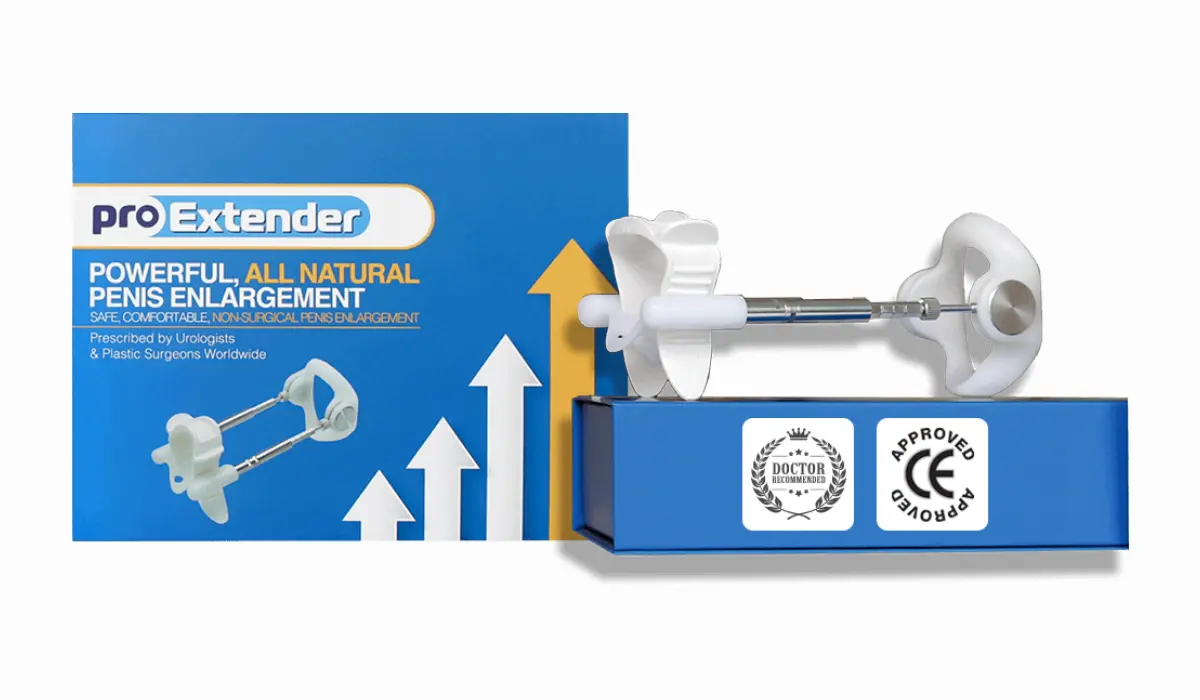
ProExtender is a male enhancement traction device designed for adult men who want a non-pill and non-surgical support option. It uses controlled mechanical traction, not capsules or herbal blends, to support gradual size and confidence goals. The device is worn externally and adjusted to create gentle stretching pressure during a regular routine. Users usually start … Read more

Signs of Pelvic Floor Dysfunction: Symptoms and What They Mean

signs of pelvic floor dysfunction

Signs of pelvic floor dysfunction may include urine leakage, frequent urination, constipation, straining, incomplete bowel emptying, pelvic pain, painful sex, pelvic pressure, stool leakage, or trouble relaxing pelvic muscles. These symptoms can happen when the pelvic floor is tight, weak, painful, or poorly coordinated. Pelvic floor dysfunction can affect bladder control, bowel habits, sexual comfort, … Read more

Kyphoplasty vs Vertebroplasty: Which Is Better for Compression Fractures?

Kyphoplasty vs Vertebroplasty

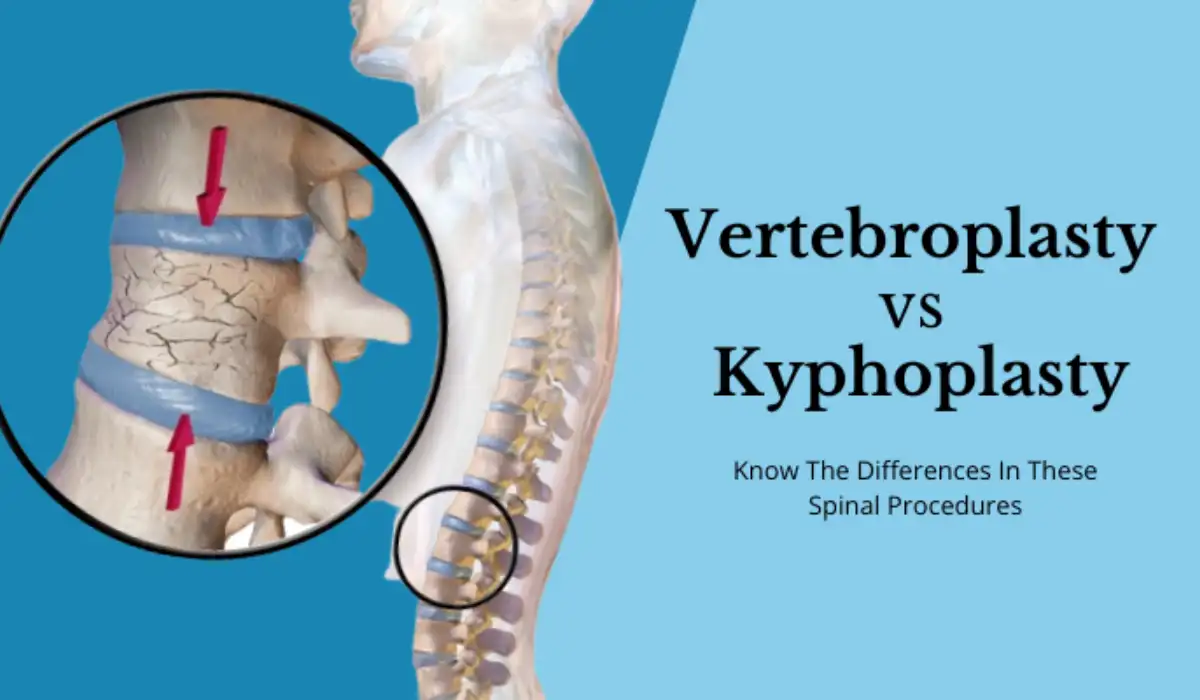
Kyphoplasty vs vertebroplasty is a common question for people with painful vertebral compression fractures. Both are minimally invasive spine procedures that use bone cement to stabilize a fractured vertebra. However, kyphoplasty uses a small balloon first, while vertebroplasty injects cement directly into the broken bone. In simple terms, vertebroplasty is mainly used to stabilize the … Read more

Breast Calcification on Mammogram: What It Means?

Breast Calcification on Mammogram

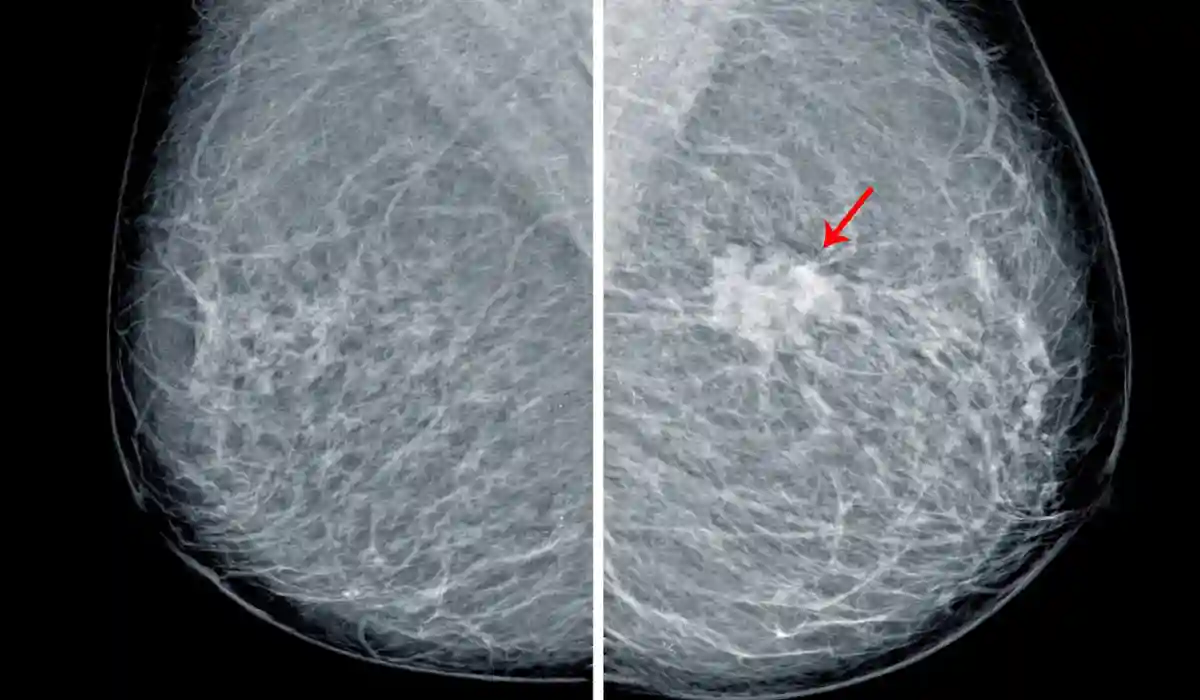
Breast calcification on mammogram means small calcium deposits were seen in breast tissue. Most breast calcifications are benign, especially larger ones, but some tiny grouped calcifications may need extra mammogram views, short-term follow-up, or biopsy to rule out early breast cancer. Calcifications are usually too small to feel during a breast exam. A radiologist looks … Read more